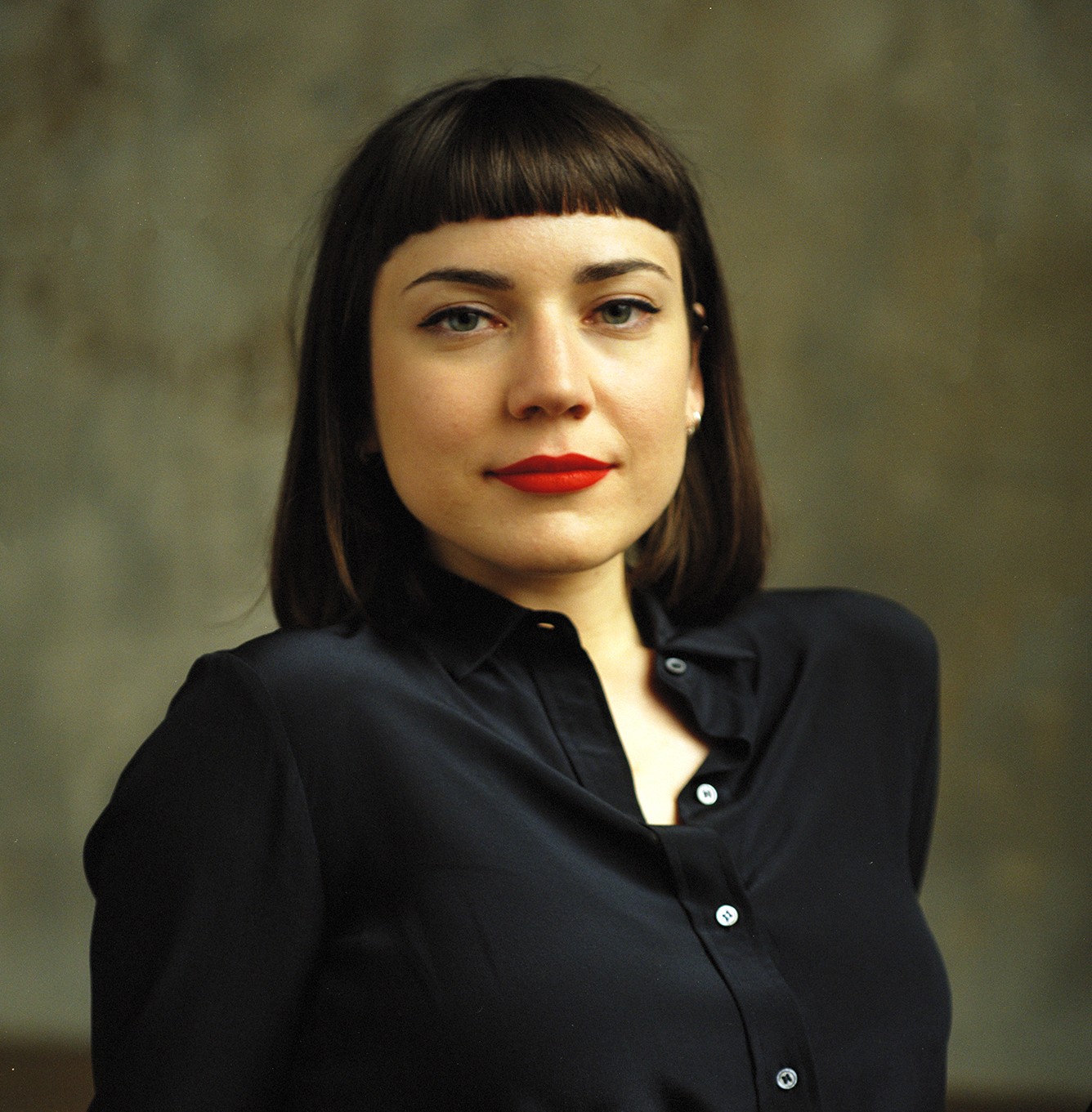
An Article by Rebecca Mazzon
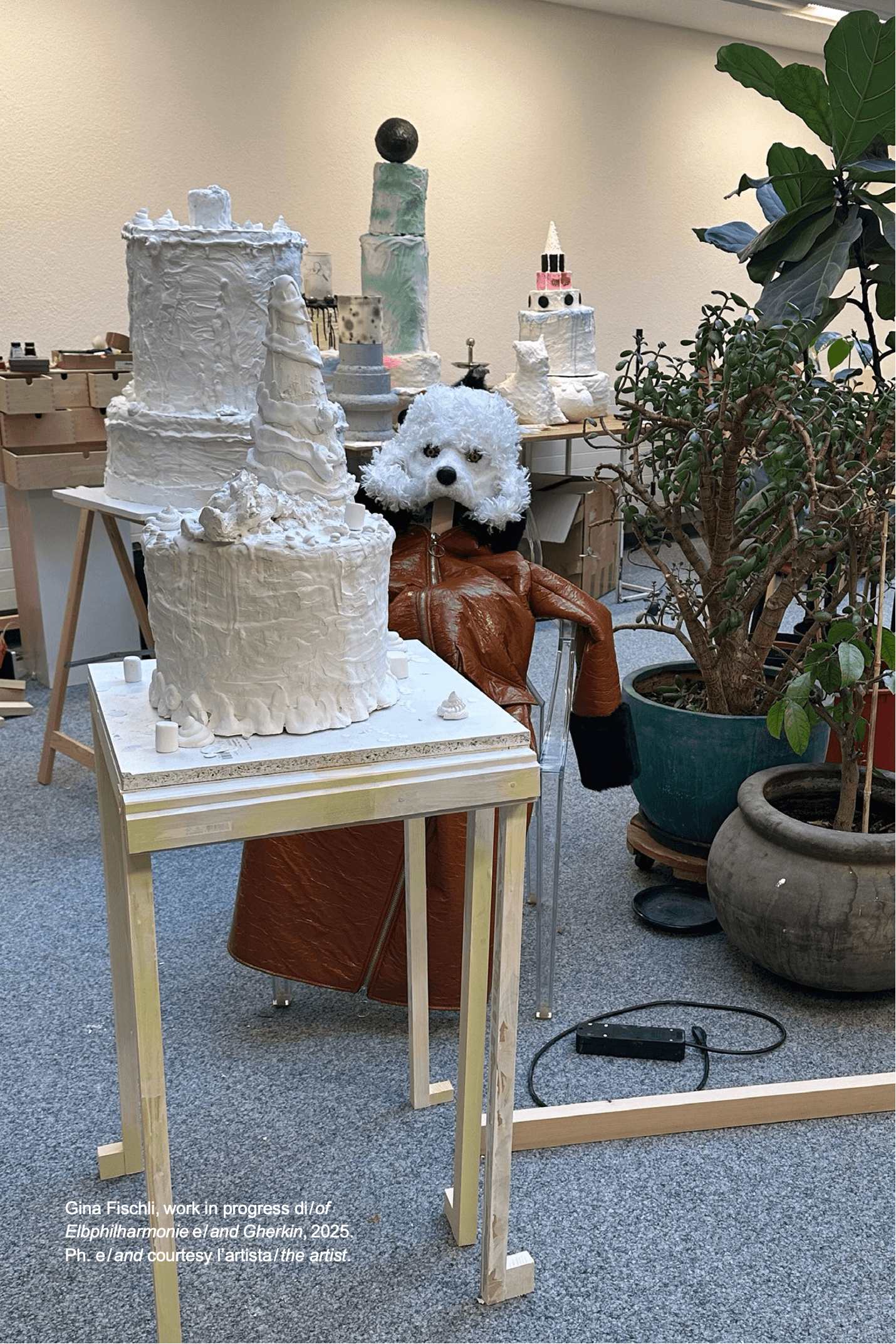
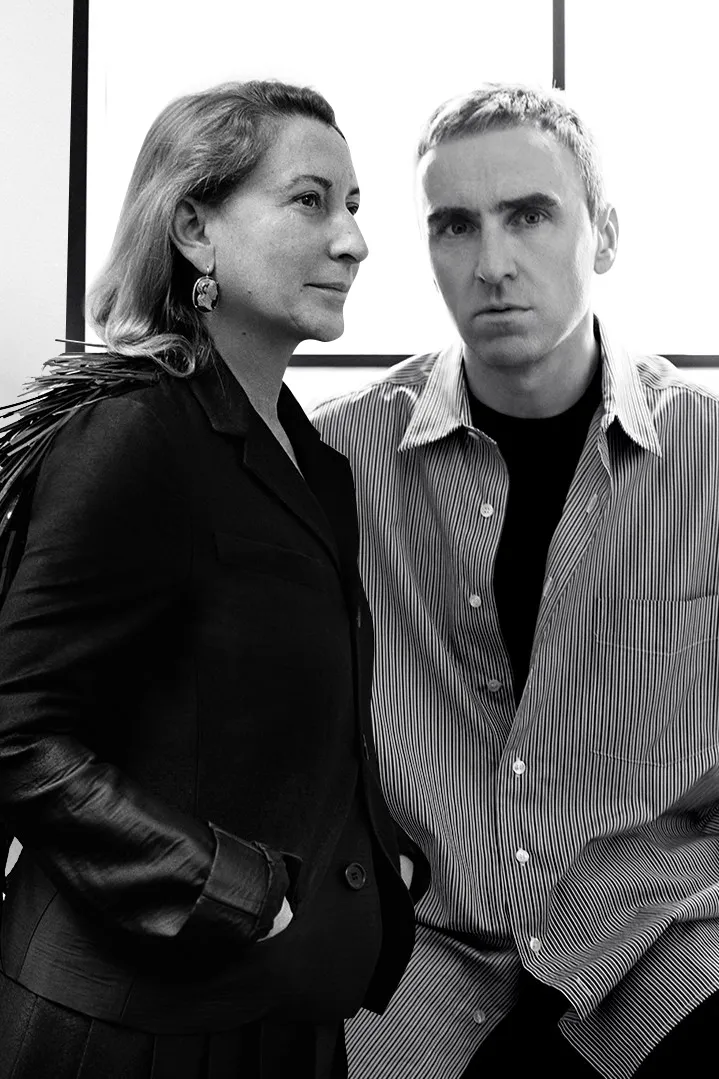
A few months ago, Miuccia Prada and Raf Simons, interviewed by journalist Robin Givhan, were expressing a feeling shared by many: fashion is for times when we are all doing well, and the industry produces too much, leaving us wondering what it is that remains during the tougher times. This is the month of the opening of the Art Biennale in Venice. Exhibitions are everywhere, with installations as well. New displays, new spaces, new places are opening their doors. When the Biennale is about to open, something is different in the air: spring is coming, and with it also a different kind of tourism within the city. Venice — the most melancholic city in the world — becomes full of people that you usually see in magazines, or hidden behind some of the most exciting projects in the art and fashion world. Venice can be a city where a lot happens or too little happens, where you spend the weekend with the same people over and over again, or where you bump into a person you usually only see in pictures from a red carpet. The week that precedes the opening of the Biennale has an electrifying atmosphere, but what happens after that week is gone is the actual question. What is it that remains? The act of exhibiting can be an act of power, and it also means that you have something to display. Museums, galleries, and foundations are inevitably present during the period of the Biennale, and everybody seems to have something worth showing. It doesn’t matter if the exhibitions are too many: everybody has to fit in. Chiara Costa — Head of Programs of Fondazione Prada in Venice — during a conference talking about the exhibitions held at Fondazione Prada, raised the question: “What is the point of making an exhibition today?”. To answer this question, she used the words of Salvatore Settis, an Italian curator and art historian who, in 2015, curated “Portable Classic” at Fondazione Prada. As she recalled, “an exhibition should make people think”, and as simple as it may seem, I cannot disagree with Salvatore Settis’ idea of “art as a thinking device”, not only because it reframes the context within which art should operate, but also because it highlights the necessity to produce and display objects that relate to the present, considering contemporary times and current events. Since exhibitions are everywhere, we should all be able to recognize who the ones are that make exhibitions that make us think today. Lucrezia Calabrò Visconti, Italian curator and art writer, is probably one of them: Head Curator at Istituto Svizzero, she collaborated with many institutions — among others, Pinacoteca Agnelli and Fondazione Sandretto Re Rebaudengo in Turin — curating very interesting and unique exhibitions. Con lo zucchero in bocca, held at Villa Maraini in 2025 — the Roman venue of Istituto Svizzero — is one of her most recent exhibitions. Starting from the history of the villa’s owner, Emilio Maraini, who made his fortune over the years working in the sugar beet industry, the exhibition talks about exploitation and all of those sides of the world that we often like to forget for the sake of our own immediate pleasure. Through sculptures, installations, and films, Con lo zucchero in bocca wants us to remember that nothing is free, but if you are privileged enough, it could just seem like it. In 2019, for the exhibition Get Rid Of Yourself at Fondazione Baruchello, darkness and emptiness were used as tools to make people guide themselves through sensory organs that are usually less developed. Through a sound path, the empty space was inhabited by people, questioning the notions of absence and presence, wondering what they really are made of.
Lucrezia Calabrò Visconti’s practice could also be described through her work for CLOG: founded in collaboration with Cosimo Piga in 2015 in Turin, CLOG is an independent, research-oriented space. The definition of this project given by her is probably the one that most recalls the relevance of this project: as she described it, “CLOG is the clogging of the material that remains outside the manholes when it rains: it is dirty, self-managed and full of noise, but it is a necessary and fertile state to give rise to the experiences that then, once purified, reach the surface”. It is usually said that, to actually become reality, change has to come from the inside: Lucrezia Calabrò Visconti understands this perfectly. Since museums are often used as a form of legitimation, when there is something on the side, she brings it to the center. Operating from within institutional realities, Lucrezia Calabrò Visconti holds onto that desire to make the world a better place, maybe a kinder and more varied one. Her exhibitions are like collective knowledge devices, first making you learn and then making you reflect on what you have just seen. In addition to that, the political dimension, mixed with different creative outputs, is a key element for her, as she looks for a new form of order. Going back to the words of Salvatore Settis, the challenge today is to keep being intrigued by the events that continue to happen, observing and re-elaborating ideas that relate to the world we are living in. Why here? And why now? These are the questions that we need to keep asking, with a certain consciousness of the present, or at least with a unique and specific way of seeing the world around us. As challenging as it is, we won’t stop looking for that, we won’t stop looking for the things that inspire us, and because the elements that make us move forward are usually “dirty, selfmanaged and full of noise”, maybe we will also look for discomfort.