Issue 07
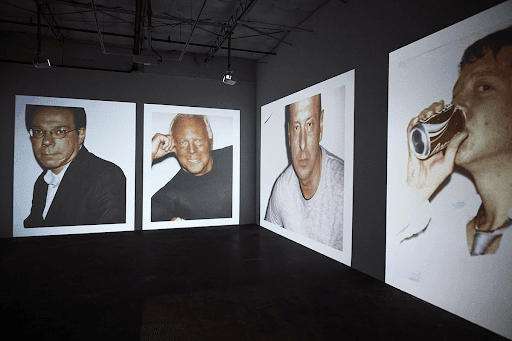
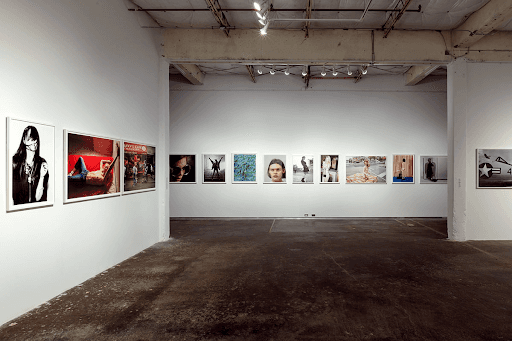
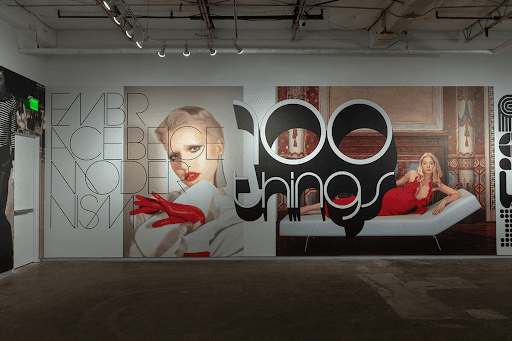
We have often wondered why the role of the curator has become so central. Upon reflection, the answer perhaps lies in the very nature of this role: it is a fascinating intersection of different skills, where practical ability meets narrative direction. Today, curating means embracing the multidisciplinarity typical of our society. A deep knowledge of art history is no longer enough; transversal skills are needed, ranging from criticism to graphic design, from sociology to storytelling. The modern curator is someone who knows how to gather these divergent paths and systematize them, casting a "narrative veil" over the museum (or exhibition space) that transforms a simple exhibition into a coherent reading path. A perfect example of this "total" curation is the work of Ezra Petronio, founder of the iconic magazine Self Service. In his celebratory exhibition (Self Service: Twenty-Five Years of Fashion, People and Ideas Reconsidered), Petronio demonstrated how curation can radically change the audience's perception. He didn't just exhibit photographs; he turned the museum into a three-dimensional magazine. The walls became large "double-page spreads" where typography is not just decorative, but plays a structural role: monumental characters don't just serve to inform, but push the viewer to physically immerse themselves in the editorial grid, making the design process tangible. At the same time, the section dedicated to Polaroids taken of his collaborators reveals the heart of his method: the importance of authentic relationships. Petronio curates the environment even before the content, offering total creative freedom and delegating direction to those he involves.
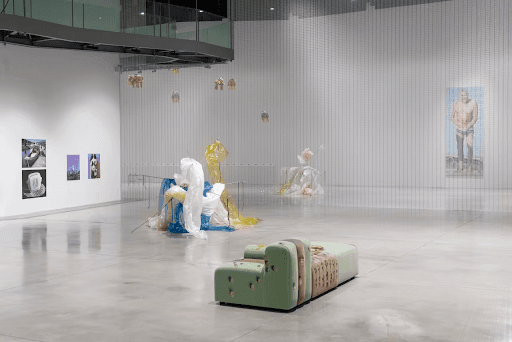
Another very interesting approach is that of Luca Lo Pinto. During his three-year curatorship at MACRO in Rome, he conceived of the museum as a true "editorial device." The layout of the exhibitions was designed to function like a magazine, with fixed sections hosting different exhibitions over time, changing the way the public interacts with the spaces. What unites these two figures, despite their different approaches, is the ability to use their personal vision as a compass to create paths that become universal. In this sense, speaking of curation means speaking of intentional choice. The curator is not just an organizer, but an active filter: in an age of information overload, it is precisely this ability to synthesize that influences—and gives meaning to—our perception of the creative world.