Sunlight as Ink: The Art of Cyanotype
What happens when an object creates its own image?
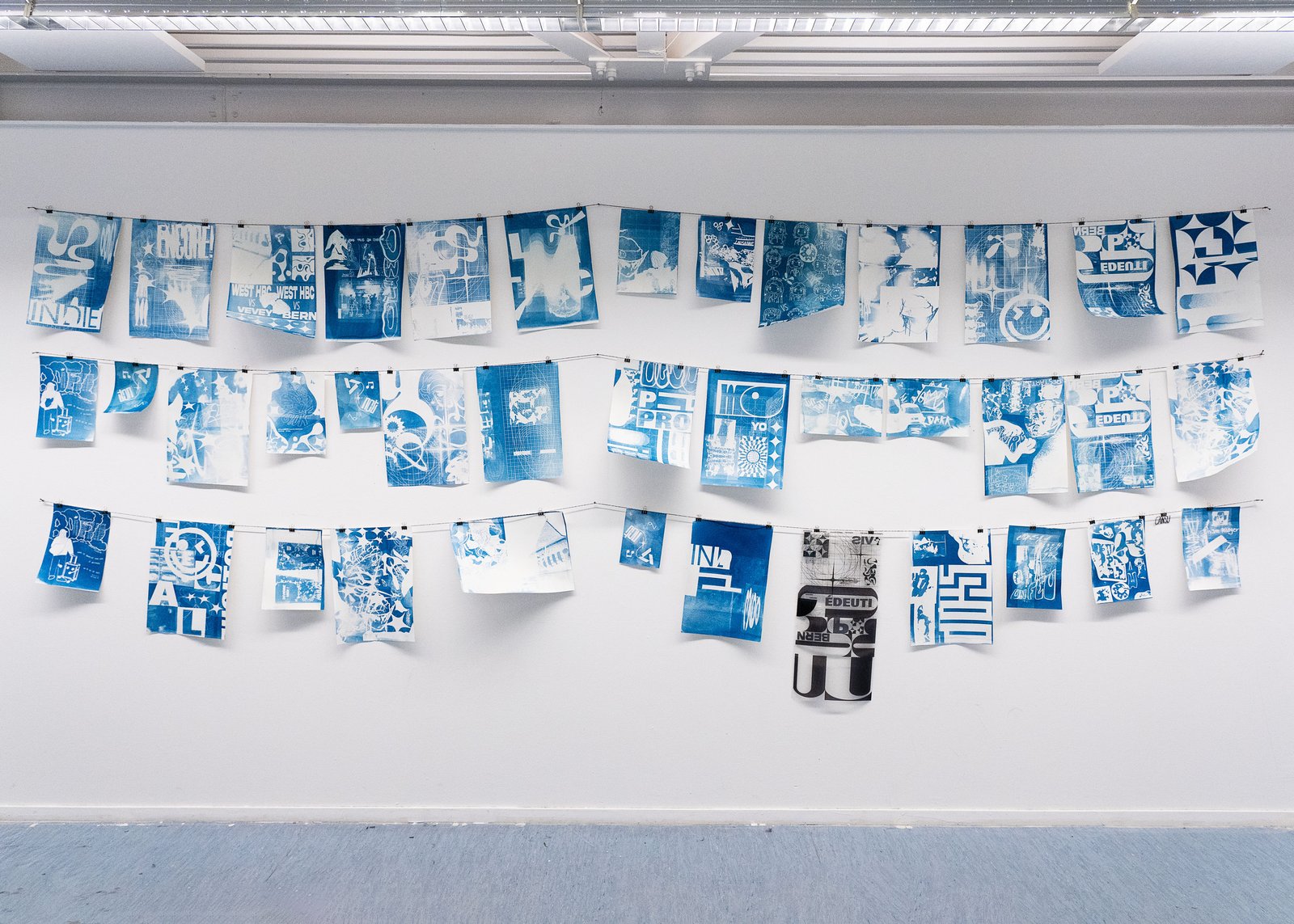
What happens when an object becomes the author of its own image? Cyanotype, born in the 19th century as a technique for engineers and botanists, is today one of the most beloved tools in experimental publishing. It is a process where the sun acts as ink and shadow as the matrix, creating a perfect dialogue between chemistry and paper. In this article, we will discover how a technique created for cataloging plants has become a unique way to create images that seem made of pure light.
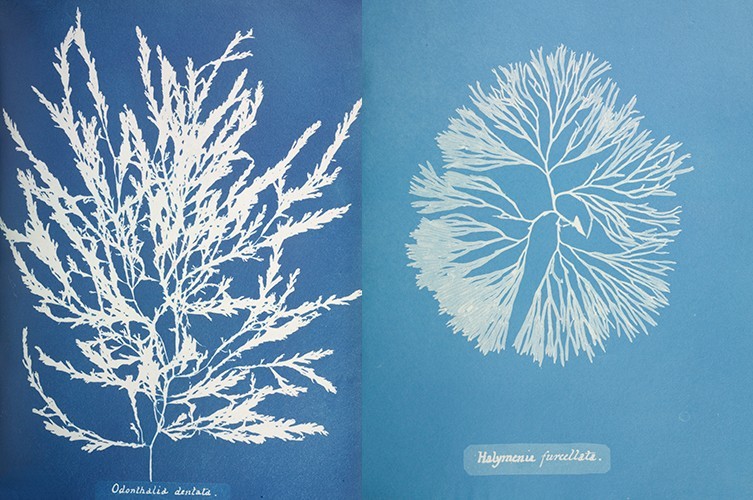
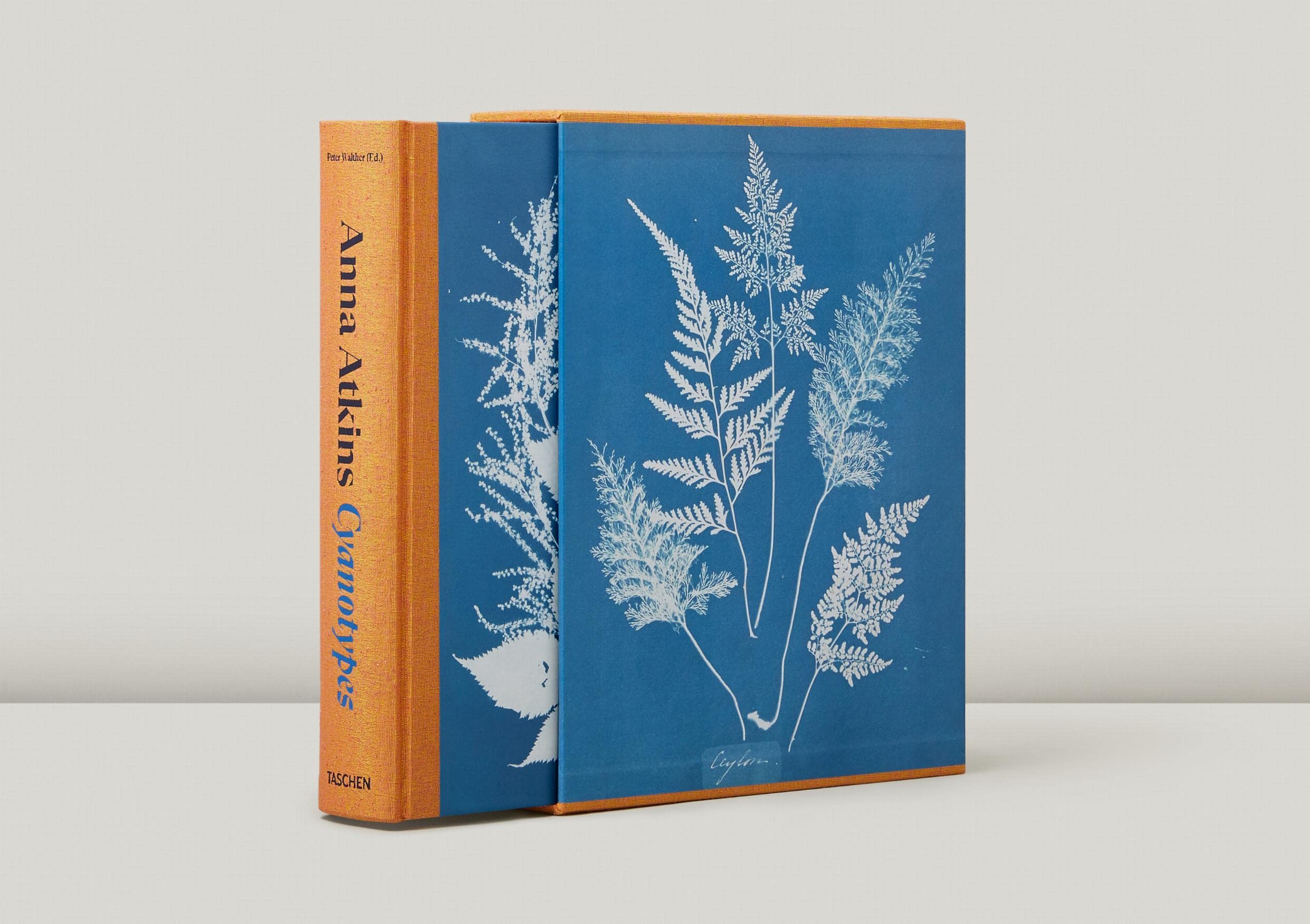
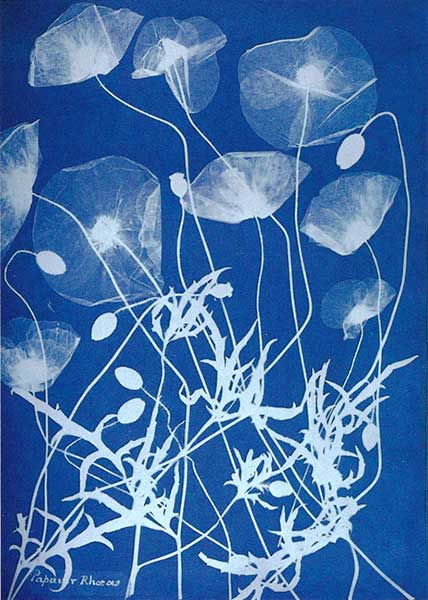
Cyanotype is not a simple printing technique but a new way of considering the process of collecting individual moments and images. This practice was invented in 1842 by Sir John Herschel, but it was with Anna Atkins that the process was consolidated in practice. A rigorous botanist, Atkins understood that cyanotype was not for "taking" a photo, but for allowing nature to self-record. Her works have survived for nearly two decades not only due to the care she took but because of the stability of Prussian Blue, the mineral pigment that animates every fiber of the treated paper.
Despite often being defined as an elementary process, cyanotype hides a fascinating complexity: it is, in fact, a photochemical reduction. Starting from iron salts (Ferric ammonium citrate and Potassium ferricyanide) spread on paper, the process moves to sun exposure—the moment when the object’s shadow becomes solid. Rinsing in water then allows the salts to transform through oxidation, giving life to a deep blue: Prussian Blue.
Prussian Blue has a peculiar characteristic: it transforms with its surrounding environment because it fades if exposed to light for too long. However, it can regenerate; once placed in the dark, the print can recover its original intensity by reabsorbing oxygen from the air. Cyanotype, therefore, actively interacts with the environment, almost as if breathing with it.
Working with this technique means thinking in negative: as explained, the focus is on the void rather than the solid. Another fundamental detail is the chosen support. The paper is, in fact, a reagent, and its selection can vary in weight (usually 200-300g) and porosity, which gives the print its depth. Experimenting with cyanotype means rediscovering a process that puts the photographic subject at the center, where it directly touches its own image.